ANALYZING THE IMPACT OF VAPING CBD VS THC ON LUNG HEALTH: A COMPARATIVE STUDY ANALYZING THE IMPACT OF VAPING CBD VS THC ON LUNG HEALTH: A COMPARATIVE STUDY 

As more people look for ways to relax, vaping has become a hot topic. Did you know both CBD and THC can be vaped but affect your lungs differently? This article will dive into the effects of vaping CBD versus THC on lung health Bliss CBD Gummies, comparing their impacts. 

Keep reading to find out which might be safer for your breath of fresh air! 

Chemical Structure of CBD and THC 

CBD and THC are two of the most well-known cannabinoids found in the cannabis plant. They both have unique chemical structures that contribute to their potential benefits and psychoactive properties. 

Potential benefits and sources 

CBD, short for cannabidiol, is known for its potential to ease symptoms of anxiety and chronic pain without the high that THC delivers. People often use CBD oil to help manage stress levels and promote better sleep. 

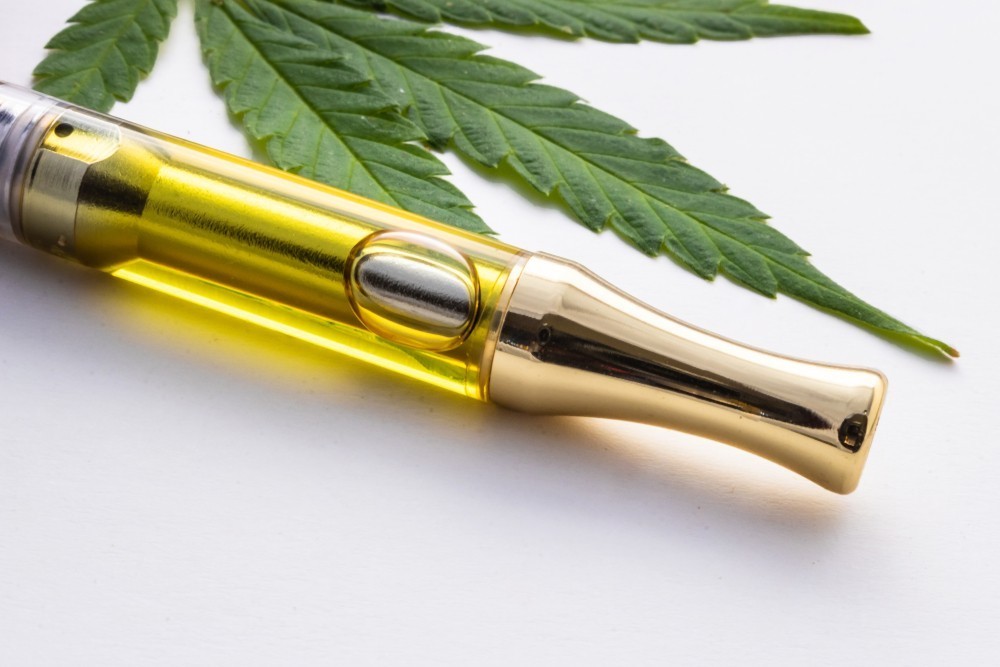
It primarily interacts with the body’s endocannabinoid system, influencing receptors that can modulate bodily functions like mood and discomfort. You can find CBD in various forms such as tinctures, capsules, edibles, topical creams, and vape pens designed for inhalation. 

THC or tetrahydrocannabinol is famed for its psychoactive effects but also possesses therapeutic qualities appreciated in medical marijuana communities. It may aid in alleviating pain and nausea while stimulating appetite among patients undergoing treatments like chemotherapy. 

THC products come from the cannabis plant and are available through dispensaries where legal status permits their sale — including oils used with vape pens geared towards a controlled pulmonary delivery method targeting respiratory system relief. 

Differences in psychoactive properties 

While both CBD and THC are derived from the cannabis plant, they exhibit distinct psychoactive properties. THC is known for its intoxicating effects, often causing euphoria or a “high.” On the other hand, CBD does not produce the same psychoactive response as THC. 

Unlike THC, CBD is non-intoxicating and does not result in feelings of being “high” or altered mental states typically associated with marijuana use. 

Furthermore, it’s important to note that the varying psychoactive properties of THC and CBD impact their usage and effects on lung health when vaped. 

Effects on Lung Health 

Vaping CBD compared to nicotine and THC has differing effects on lung health. This section will explore the severity of lung damage from vaping CBD, as well as safer alternatives for lung health. 

Vaping CBD vs. Nicotine 

Vaping CBD and nicotine have drastically different impacts on lung health. Below is a comparative analysis presented in an HTML table format: 

Aspect Vaping CBD Vaping Nicotine 
Chemical Nature Non-addictive compound found in cannabis Addictive stimulant found in tobacco 
Psychoactive Effects No high, promotes relaxation Stimulating effect, can lead to addiction 
Lung Health Impact Potentially less harmful, but long-term effects are unclear Associated with respiratory issues, can exacerbate lung diseases 
Secondhand Smoke Risk Minimal impact due to lack of smoke Highly dangerous to bystanders due to carcinogenic tobacco smoke 
Regulatory Status Less regulated, varies by jurisdiction Heavily regulated due to known health risks 

Both substances affect the lungs differently, with CBD showing less potential for harm. The next section will delve into the severity of lung damage from vaping CBD. 

Severity of lung damage from vaping CBD 

Vaping CBD may lead to severe lung damage, impacting pulmonary health. Research has indicated that inhaling certain substances found in CBD vape oil can cause lung inflammation and irritation. 

The long-term effects of vaping CBD on the lungs are still being studied, but caution is advised due to the potential harm it may cause. 

CBD’s impact on pulmonary health should not be underestimated, and users should consider safer alternatives. It is crucial to prioritize lung health when making decisions about consuming CBD or other inhalants. 

Safer alternatives for lung health 

Severe lung damage from vaping CBD may prompt individuals to seek safer alternatives for lung health. 

  1. Utilize herbal vaporizers that do not involve the combustion of plant material, reducing the intake of harmful byproducts. 
  1. Consider sublingual or oral administration of CBD, which bypasses the respiratory system altogether. 
  1. Explore other forms of consumption such as edibles or topicals to minimize exposure to potential lung irritants. 
  1. Opt for high-quality, lab-tested CBD products from reputable manufacturers to ensure purity and safety. 
  1. Consult with a medical professional to explore alternative delivery methods that suit individual health needs and concerns. 

Conclusion 

In conclusion, the comparative study revealed differences in the impact of vaping CBD and THC on lung health. Vaping CBD was found to have milder effects compared to nicotine, suggesting potential safer alternatives for lung health. 

Understanding these distinctions is crucial in making informed choices regarding respiratory well-being when using vaping products containing CBD or THC. Further research into the pulmonary effects of vaping CBD and THC is warranted to better inform public health recommendations. 

MELATONIN VS SLEEP CBD OIL: A COMPARISON FOR BETTER SLEEP – WHAT YOU NEED TO KNOW MELATONIN VS SLEEP CBD OIL: A COMPARISON FOR BETTER SLEEP – WHAT YOU NEED TO KNOW 

Struggling to get a good night’s sleep? You’re not alone. Millions turn to melatonin or CBD oil, two popular over-the-counter remedies, each promising restful nights. In this blog post, we’ll compare these sleep aids and unpack their benefits and risks so you can make an informed choice for better slumber Mushroom Supplements UK

Keep reading to find your key to dreamland! 

Melatonin vs. CBD for Sleep: A Comparison 

Melatonin and CBD are both natural supplements that can help promote better sleep, but they work in different ways. While melatonin helps regulate the body’s natural sleep-wake cycle, CBD interacts with the endocannabinoid system to reduce anxiety and promote relaxation, which can also lead to better sleep. 

What are melatonin and CBD? 

Melatonin is a hormone that your body naturally produces to regulate sleep patterns. It tells your brain when it’s time to relax and go to bed, especially useful for managing sleep disorders like insomnia or the effects of jet lag. 

You can also find melatonin in over-the-counter (OTC) supplements, often as gummy sleep aids or pills, offering an extra boost to help reset your circadian rhythm. 

CBD stands for cannabidiol, a compound found in hemp plants that promotes relaxation and anxiety relief without causing a high. Many people turn to CBD oil for natural sleep support because it can help calm the mind and prepare the body for restful sleep. 

Unlike traditional medications, CBD comes from nature and works with the body’s own cannabinoid systems to improve sleep quality without harsh side effects. 

How do they promote sleep? 

Melatonin, a natural hormone produced by the body, helps regulate the sleep-wake cycle. It signals to your brain that it’s time to wind down and prepare for sleep. On the other hand, Sleep CBD oil interacts with the endocannabinoid system in the body, helping to reduce anxiety and stress levels, which can contribute to better relaxation and improved sleep quality. 

Both melatonin and CBD aid in promoting healthy sleep patterns without causing grogginess or dependency. However, while melatonin directly influences our internal clock, CBD may alleviate factors that hinder restful slumber. 

Choosing between melatonin and CBD for better sleep often depends on individual preferences as well as specific sleep issues. Consideration of professional advice is highly recommended when deciding between these two supplements. 

Potential downsides and risks 

Melatonin and CBD both have potential downsides and risks. Melatonin may cause drowsiness, headache, or dizziness in some individuals. It can also lead to daytime grogginess and reduced alertness the morning after taking it. 

On the other hand, CBD may interact with certain medications, leading to unintended side effects. Additionally, CBD products are not regulated by the FDA, which means there’s a risk of inconsistency in quality and potency across different brands. 

Choosing between melatonin and CBD for sleep should be done cautiously, considering these potential downsides along with individual health conditions and medication use. 

How to Choose Between Melatonin and CBD for Better Sleep 

Consider your specific sleep issues and symptoms to determine which supplement may be most effective for you. It’s important to discuss with a healthcare professional before starting any new sleep aid to ensure it is safe and appropriate for your individual needs. 

Additionally, experimenting with different dosages and methods of consumption may help you find the best option for improving your quality of sleep. 

Consider your specific sleep issues 

Assess your individual sleep concerns, such as insomnia or shift work disorder. Identify if you have trouble falling asleep, staying asleep, or experiencing restful sleep. Take note of any patterns that may be impacting your ability to get a good night’s rest. 

Pinpointing these specific issues will help guide you in choosing the most suitable sleep aid for your needs. 

Examine how external factors like stress, noise, light levels, and screen time before bed might be influencing your ability to fall and stay asleep. Identifying these external influences can help you address underlying causes of poor sleep quality and choose an appropriate solution that targets your unique sleep challenges without unnecessary trial-and-error. 

Discuss with a healthcare professional 

Before making a decision on using melatonin or CBD for better sleep, consulting with a healthcare professional is essential. Healthcare professionals can provide personalized guidance based on your specific sleep issues and overall health. 

They can also help you navigate potential downsides and risks associated with these supplements, ensuring that you make an informed decision about which option is best for you. 

It’s important to have an open discussion with a healthcare professional about trying different dosages and methods of consumption to find the most effective solution for your sleep needs. 

Try different dosages and methods of consumption 

Experimenting with different dosages and consumption methods can help you find the most effective sleep aid for your specific needs. Start by trying small doses of melatonin or CBD oil and gradually increase as needed. 

Keep track of how each dosage affects your sleep quality and adjust accordingly. 

In addition, consider trying different forms of consumption such as capsules, oils, gummies, or tinctures to see which option works best for you. Remember that everyone’s body reacts differently, so it may take some trial and error to find the right dosage and method of consumption that works for you. 

Conclusion 

Consider your unique sleep needs, consult a healthcare professional, and explore different dosages and consumption methods as you decide between melatonin and CBD for better sleep. 

Both options have their benefits and considerations to support your natural sleep regulation. Take control of your sleep health with informed decisions about these natural aids.